
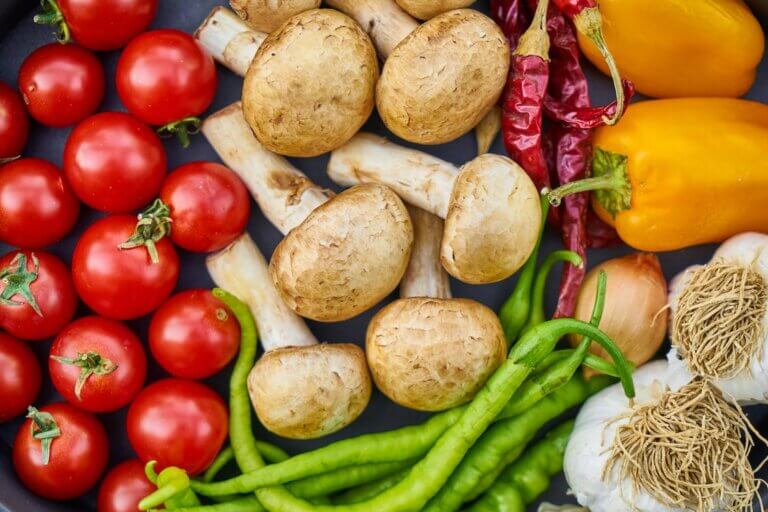
Dinner has become one of the most honest health choices Americans make each day. The newer conversation around plant based diets is not about moral purity, expensive powders, or giving up every food you grew up with. It is about building a plate that lowers the pressure on your body over years, meal by meal. Cancer prevention research keeps pointing toward a pattern: more whole grains, beans, vegetables, fruit, nuts, and seeds; less processed meat, heavy alcohol, sugary foods, and oversized portions. That does not sound dramatic. That is why it works.
Across the USA, families are trying to eat better while prices climb, workdays stretch, and fast food sits on every corner. A smarter food pattern has to fit real kitchens, not wellness fantasy. That is where trusted health reporting, local food guidance, and public health publishing resources can help readers make sense of changing nutrition headlines. The strongest evidence does not say one salad protects you. It says your regular pattern can shift risk over time, especially when it supports a healthy weight and replaces foods tied to higher cancer risk. The American Cancer Society recommends a healthy eating pattern rich in vegetables, fruits, whole grains, and beans while limiting red and processed meats.
Why New Research on Plant Based Diets Matters for Cancer Prevention
The old diet debate asked the wrong question. It wanted to know whether one food could act like a shield. Newer research looks at the whole pattern instead, because your body does not respond to broccoli, beans, oats, soda, bacon, and alcohol as isolated headlines. It responds to the total mix you repeat through busy weeks, holidays, stress, and ordinary Tuesdays.
Whole-food patterns beat single “superfood” thinking
A bowl of lentil soup does more than replace a burger. It changes the fiber load, fat profile, calorie density, and gut fuel in the same meal. That matters because cancer risk is not shaped by one switch. It is shaped by inflammation, insulin response, body fat, hormones, digestion speed, and the small daily repairs your body tries to make.
The American Institute for Cancer Research points people toward a plate where at least two-thirds comes from plant foods such as whole grains, vegetables, fruits, and beans. The remaining third can include animal foods if someone chooses them. That model works because it avoids the all-or-nothing trap that makes many Americans quit before they begin.
A family in Ohio does not need a perfect vegan menu to move in the right direction. Chili with beans, brown rice, onions, tomatoes, and a smaller amount of turkey can beat a processed meat dinner without turning the kitchen upside down. That kind of change looks modest, but it often sticks.
The counterintuitive part is simple: strictness is not always the strongest health move. Consistency beats intensity when the goal is a lower-risk pattern you can live with for decades.
Diet quality separates helpful plant eating from junk-heavy plant eating
A plant-focused diet can still be poor. French fries, soda, white bread, and candy may come from plants, but they do not build the same health pattern as beans, greens, berries, oats, nuts, and vegetables. This is where newer research has become more useful and less naive.
Recent studies often separate healthful plant foods from less healthful plant foods. That split matters because the body sees a big difference between steel-cut oats with walnuts and a refined snack bar with a health halo. A 2026 systematic review noted that the relationship between plant-based patterns and cancer risk may depend on nutritional quality, not the plant label alone.
This is the part many trend articles miss. A diet can be meat-free and still spike blood sugar, crowd out protein, and leave you hungry by 3 p.m. That does not make plant-forward eating weak. It means the details matter.
Better meals have weight. They contain fiber, color, protein, and chew. When your plate makes you slow down, feel full, and skip the snack spiral later, the benefit goes beyond vitamins.
What the Evidence Says About Fiber, Weight, and Food Replacement
Research gets more practical when you stop asking, “Does this food prevent cancer?” and start asking, “What does this food replace?” A bean burrito, a grilled vegetable bowl, or oatmeal with fruit can push out processed meat, refined grains, and excess calories. That replacement effect may be one of the quiet reasons plant-forward patterns keep showing up in cancer prevention guidance.
Fiber changes the meal after the meal
Fiber does not get enough respect because it is not flashy. It helps move waste through the colon, supports gut bacteria, slows digestion, and makes meals more filling. In American diets, that is a big deal because many people fall short on fiber while eating plenty of calories.
The National Cancer Institute notes that diets rich in plant foods such as fruits and vegetables are linked with lower risk for several cancers, including cancers of the mouth, pharynx, larynx, esophagus, stomach, and lung, with some evidence for colon, pancreas, and prostate cancers.
Beans show the logic clearly. They bring fiber, protein, minerals, and slow-digesting carbohydrates in one cheap food. A pot of black beans can become tacos, soup, salad topping, or breakfast hash. No supplement can copy that full food effect.
Here is the part that feels almost too plain: the best cancer-aware meals often look ordinary. Oatmeal. Lentils. Cabbage. Apples. Brown rice. Peanut butter on whole-grain toast. Food does not need a luxury label to do serious work.
Healthy weight may be the hidden link many people overlook
Many diet and cancer headlines focus on ingredients, but body weight sits behind much of the risk conversation. Excess body fat can affect hormones, inflammation, insulin resistance, and cell growth signals. A plant-forward diet can help because whole plant foods often give you more volume with fewer calories.
That does not mean weight loss is the only goal. It means a plate that keeps you full without pushing calories too high can support the body in several ways at once. This is especially relevant in the USA, where large portions and ultra-processed snacks are normal enough to feel invisible.
The American Cancer Society says replacing refined grains, added sugars, and highly processed foods with whole grains, beans, vegetables, and fruits can lower cancer risk and improve overall health. It also recommends choosing plant-based protein sources more often and limiting red and processed meats.
A practical example is the weeknight pasta bowl. Keep the pasta, but cut the portion, add white beans, spinach, mushrooms, tomato sauce, and a side salad. You have not joined a food movement. You have changed the biology of dinner.
Where Plant Foods May Help Most in Everyday American Diets
The strongest everyday move is not chasing rare foods. It is fixing the foods Americans eat most often. Breakfast, lunch, snacks, and default dinners carry more power than occasional “healthy” meals. When the regular rotation changes, the risk pattern changes with it.
Beans, whole grains, and vegetables can replace processed meats
Processed meat is one of the clearest targets. Bacon, sausage, hot dogs, deli meats, and many cured meats show up in breakfasts, sandwiches, ballparks, school lunches, and quick dinners. They are convenient, familiar, and deeply woven into American food culture.
AICR advises eating little, if any, processed meat and limiting red meat to no more than 12 to 18 ounces cooked per week. That guidance matters because red and processed meats are tied most strongly to colorectal cancer risk.
The swap does not have to feel like punishment. A breakfast taco with black beans, peppers, salsa, and avocado can replace sausage without feeling like a downgrade. A chickpea salad sandwich can replace deli meat. A lentil sloppy joe can carry the same comfort-food mood as the old version.
The unexpected insight is that flavor often improves when plants move to the center. Spices, acid, herbs, texture, and roasted edges do more for a meal than processed meat alone. Many people do not miss the meat as much as they miss salt, smoke, crunch, and sauce.
Soy, nuts, and seeds deserve less fear and more common sense
Soy still carries old myths in many American households. Some people hear “phytoestrogen” and assume danger, especially around breast cancer. Food science is more careful than that. Whole soy foods such as tofu, tempeh, edamame, and soy milk are not the same as concentrated supplements or internet scare stories.
For cancer survivors, research reviews have found signs that higher intakes of plant foods may relate to better outcomes, including whole grains and fiber for colorectal cancer survival and fruit, vegetable, fiber, and moderate soy or isoflavone intake for breast cancer survival.
Nuts and seeds bring a different advantage. They make plant-forward meals more satisfying. A salad with chickpeas and pumpkin seeds holds you longer than lettuce with fat-free dressing. A small handful of walnuts can keep a snack from turning into a vending machine run.
Common sense still matters. Nuts are calorie dense, and soy desserts are still desserts. The goal is not to bless every food with a plant label. The goal is to choose foods that help your body handle the next several hours better.
How to Build a Cancer-Smart Plant-Forward Plate Without Going Extreme
Most people do not need a food identity. They need a repeatable system. A cancer-smart plate should help you shop faster, cook with less stress, and recover when life gets messy. The more normal it feels, the more likely it becomes your pattern.
The two-thirds plate method works because it is visual
Rules fail when they require math at dinner. The two-thirds plate method works because you can see it. Fill most of the plate with vegetables, beans, fruit, or whole grains, then use the remaining space for fish, poultry, eggs, dairy, or a smaller portion of meat if those fit your eating style.
AICR’s New American Plate uses this same 2/3 to 1/3 idea, which makes it useful for real households that are not ready to go fully vegetarian.
Think of a Sunday dinner in Texas. Instead of a large steak, white roll, and small scoop of corn, the plate shifts: roasted sweet potatoes, pinto beans, sautéed greens, tomato salad, and a smaller piece of grilled chicken. It still feels like dinner. It simply stops making meat the whole story.
A good plant-forward plate also protects against the “sad salad” problem. You need protein, texture, and flavor. Beans, lentils, tofu, whole grains, nuts, seeds, yogurt, eggs, or fish can help the meal feel complete.
Small weekly systems beat dramatic resets
A dramatic reset feels satisfying for five days. Then the fridge gets empty, work runs late, and old habits return. A weekly system holds up better because it lowers the number of decisions you have to make.
Start with two anchor meals. Cook a pot of beans or lentils. Prepare one whole grain. Wash or chop two vegetables. Keep fruit where you can see it. Stock a sauce you like, such as salsa, tahini-lemon dressing, pesto, or peanut sauce. That is enough structure to build several meals without starting from zero.
AICR stresses variety because no single food supplies the full range of nutrients linked with lower cancer risk and better overall health. That advice also keeps meals from becoming boring, which matters more than many nutrition plans admit.
The best plan is the one you can repeat after a hard day. Not perfect. Repeatable. A Tuesday dinner of bean chili, frozen vegetables, and whole-grain toast may do more for your long-term health than an elaborate recipe you make once and abandon.
Conclusion
Food advice often becomes noisy because people want certainty where science gives patterns. That should not make you cynical. It should make you practical. The evidence around plant based diets points toward a steady truth: whole plant foods can help build a lower-risk lifestyle when they replace processed meats, refined foods, and oversized meals.
Cancer risk never belongs to diet alone. Smoking, alcohol, infections, family history, screening, sleep, movement, age, and access to care all matter. Still, your plate is one of the few risk factors you meet several times a day. That gives it power.
The smartest next step is not to announce a new identity. Build one better default meal this week. Add beans to a dinner you already cook. Switch one processed meat lunch to a chickpea or hummus option. Put fruit where snacks usually happen. Then repeat it until it feels boring.
Boring can be beautiful when it protects your future. Start with the next plate, because that is where real change stops being an idea and becomes yours.
Frequently Asked Questions
What are the best plant foods for cancer prevention?
Beans, lentils, whole grains, vegetables, fruits, nuts, and seeds are the strongest everyday choices. Variety matters more than chasing one perfect food. A colorful, fiber-rich pattern gives your body more useful compounds than any single “superfood” can offer.
Do I need to become vegan to lower cancer risk?
No. A mostly plant-forward pattern can still include fish, poultry, eggs, dairy, or small amounts of meat. The bigger goal is increasing whole plant foods while reducing processed meats, excess alcohol, refined grains, sugary foods, and large portions.
Are processed plant-based meats good for cancer prevention?
Some can help people move away from processed animal meats, but they are not automatically health foods. Check sodium, saturated fat, fiber, and ingredient quality. Beans, lentils, tofu, tempeh, and nuts are usually stronger everyday choices.
How much red meat should Americans limit each week?
AICR recommends keeping red meat to no more than 12 to 18 ounces cooked per week and eating little, if any, processed meat. That means bacon, sausage, hot dogs, and deli meats should not be everyday staples.
Can plant-forward eating help after a cancer diagnosis?
Many survivors are advised to follow healthy eating patterns rich in whole grains, fruits, vegetables, and beans, unless their care team gives different guidance. Treatment side effects, weight loss, digestion issues, and medication needs can change nutrition advice.
Which cancers are most linked with diet choices?
Diet is often discussed most strongly with colorectal cancer, but eating patterns may also relate to risks for cancers of the mouth, throat, esophagus, stomach, lung, pancreas, and prostate. The strength of evidence varies by cancer type.
Are fruit sugars a problem in a cancer-smart diet?
Whole fruit is not the same as candy, soda, or juice-heavy drinks. Fruit contains fiber, water, vitamins, minerals, and plant compounds. Most Americans benefit from eating more whole fruit, especially when it replaces sweets or refined snacks.
What is the easiest first step toward a plant-forward diet?
Add one plant protein to a meal you already eat. Put beans in chili, lentils in soup, tofu in stir-fry, or chickpeas in salad. Starting with familiar meals lowers resistance and makes the habit easier to repeat.